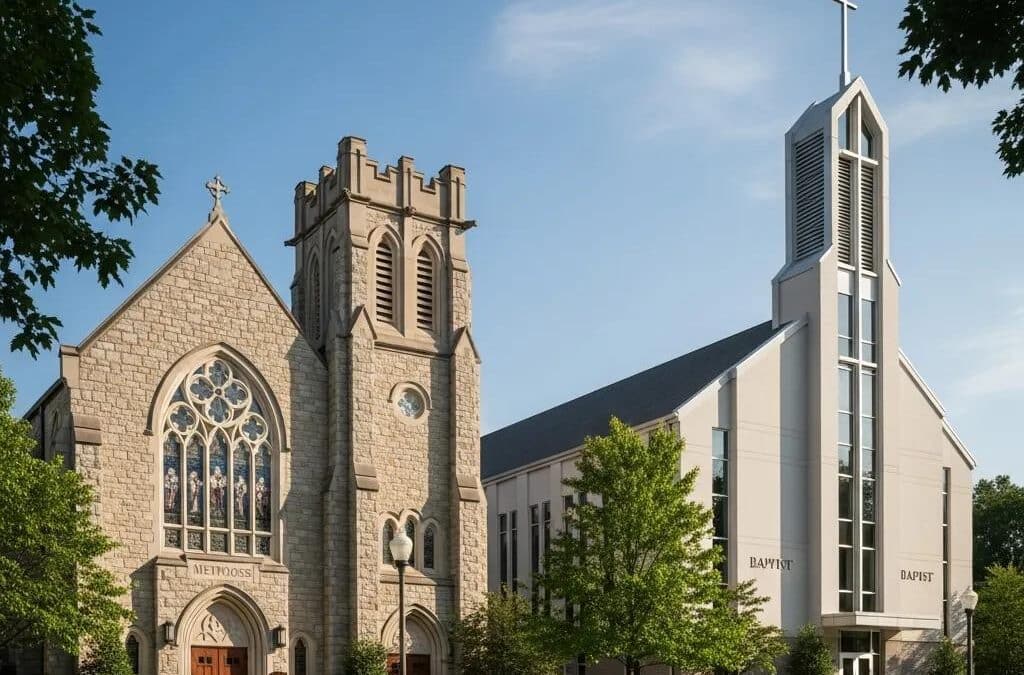
The distinctions between the Methodist and Baptist churches are rooted in their historical origins, theological beliefs, and practices. Understanding these differences can provide valuable insights for individuals exploring their faith or seeking a church community. This article delves into the historical context of both denominations, the influence of key figures like John Wesley, and their core theological beliefs. Additionally, we will explore how their views on baptism and worship practices differ, offering a comprehensive overview of these two significant branches of Christianity. By the end, readers will gain a clearer understanding of what sets these churches apart and how they engage with their communities.

What Are the Historical Origins of the Methodist and Baptist Churches?

The Methodist and Baptist churches emerged from the broader Christian tradition during the 18th and 17th centuries, respectively. The Baptist church traces its roots back to the early 1600s, with a focus on believer’s baptism and congregational governance. In contrast, the Methodist church was founded in the 18th century by John Wesley, who sought to reform the Church of England and emphasized personal faith and social justice. Both denominations have evolved significantly over the years, adapting to cultural changes while maintaining their core beliefs.

How Did John Wesley Influence Methodist Church History?

John Wesley‘s impact on the Methodist church is profound and far-reaching. He emphasized the importance of personal piety, social justice, and community engagement, which became hallmarks of Methodism. Wesley’s teachings encouraged a methodical approach to spiritual growth, leading to the establishment of small groups for prayer and Bible study. His focus on grace and the transformative power of faith has shaped Methodist theology and practice, making it a vibrant and active denomination within Christianity.

What Are the Core Theological Beliefs of Methodist and Baptist Churches?

Both the Methodist and Baptist churches share foundational Christian beliefs, yet they diverge in key theological areas.
  • Methodist Beliefs: Methodists emphasize the concept of grace, particularly prevenient grace, which suggests that God‘s grace is available to all individuals before they even seek it. They believe in the possibility of falling from grace and the importance of social holiness.
  • Baptist Beliefs: Baptists hold to the authority of Scripture and the necessity of personal faith for salvation. They emphasize believer’s baptism, which requires an individual to make a conscious decision to follow Christ.
Further research delves into the historical and theological underpinnings of John Wesley‘s concept of prevenient grace.

John Wesley‘s Prevenient Grace in Wesleyan Theology Prevenient grace is a significant doctrine in Wesleyan theology. This thesis revisits some conclusions drawn by Charles Rogers in his 1967 thesis, “The Concept of Prevenient Grace in the Theology of John Wesley.” Seventeenth and early eighteenth-century Puritan and Church of England writers abridged by Wesley in his rarely consulted Christian Library are studied, as well as Robert Barclay, the Quaker whose 1676 Apology was influential in the nascent formulation of Wesley’s understanding of prevenient grace. Streams of Mercy: Prevenient grace in the theology of John and Charles Wesley, 2008

This theological divergence reflects their differing views on salvation and the role of the church in individual lives.
StarStone Fellowship Church embodies these principles by focusing on community building and spiritual growth, offering a welcoming environment for individuals seeking to deepen their faith through Bible study and worship.

How Do Methodist Beliefs Differ from Baptist Beliefs?

The differences between Methodist and Baptist beliefs can be highlighted through their views on baptism and salvation.
Belief Aspect
Methodist View
Baptist View
Baptism Type
Infant baptism is practiced, emphasizing God‘s grace.
Believer’s baptism is practiced, requiring personal faith.
Salvation
Emphasizes grace and the possibility of falling from grace.
Focuses on personal faith and assurance of salvation.
Church Governance
Connectional system with a hierarchy.
Congregational governance with autonomy.
These distinctions illustrate the unique theological frameworks that guide each denomination’s practices and beliefs.

What Are the Wesleyan-Methodist Doctrinal Foundations?

Wesleyan-Methodist doctrine is built on several key principles, including the authority of Scripture, the importance of personal faith, and the concept of grace. Methodists believe in the transformative power of grace, which is available to all and can lead to a life of holiness. The doctrine of social holiness emphasizes the church’s role in addressing social issues and promoting justice, reflecting Wesley’s commitment to social action.

How Do Methodist and Baptist Churches Differ in Baptism Practices?

Baptism practices are one of the most significant differences between Methodist and Baptist churches.
  • Infant Baptism: Methodists practice infant baptism, viewing it as a sign of God‘s grace and a means of initiating children into the faith community. This practice underscores the belief that God‘s grace is available to all, regardless of age.
  • Believer’s Baptism: In contrast, Baptists emphasize believer’s baptism, which requires individuals to make a conscious decision to follow Christ before being baptized. This practice reflects their belief in personal faith as a prerequisite for baptism.
These differing practices highlight the theological underpinnings that shape each denomination’s approach to faith and community.

What Is Infant Baptism and Which Church Practices It?

Infant baptism is a practice primarily associated with the Methodist church, where it is seen as a means of grace. This sacrament signifies the inclusion of the child in the faith community and the church’s commitment to nurture their spiritual growth. Methodists believe that baptism is not just a personal decision but a communal act that reflects God‘s grace and love.

Why Do Baptist Churches Emphasize Believer Baptism?

Baptist churches emphasize believer’s baptism as a fundamental aspect of their faith. This practice is rooted in the belief that baptism should follow an individual’s personal decision to accept Christ as their Savior. Baptists argue that this approach aligns with the New Testament‘s teachings, where baptism is depicted as an outward expression of an inward faith. This emphasis on personal faith and commitment is central to Baptist identity.

What Are the Differences in Worship and Community Involvement Between Methodist and Baptist Churches?

Worship styles and community involvement also differ between Methodist and Baptist churches.
  • Worship Styles: Methodists often incorporate liturgical elements into their worship, including hymns, prayers, and sacraments. In contrast, Baptist worship tends to be more informal, focusing on preaching and congregational singing.
  • Community Involvement: Both denominations value community service, but Methodists may place a stronger emphasis on social justice initiatives, reflecting Wesley’s teachings on social holiness. Baptists, while also engaged in community service, often focus on evangelism and outreach.
These differences in worship and community engagement reflect the unique identities of each denomination.

How Do Worship Styles Vary Between the Two Denominations?
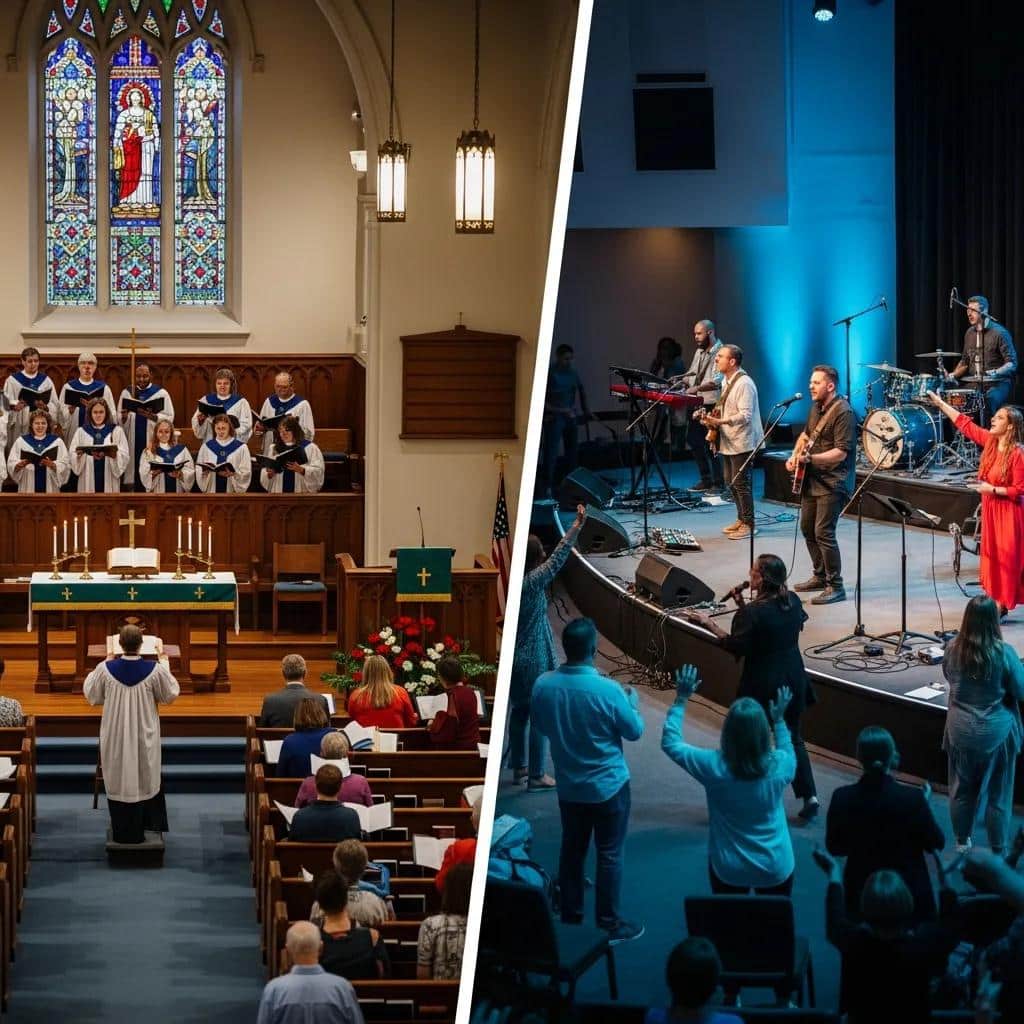
Worship styles in Methodist and Baptist churches can vary significantly.
  • Methodist Worship: Typically includes structured liturgy, hymns, and sacraments such as communion. The service often follows a set order, emphasizing tradition and communal participation.
  • Baptist Worship: Generally more informal and spontaneous, focusing on preaching and congregational singing. Worship services may include contemporary music and a strong emphasis on personal testimony.
These variations in worship reflect the theological and cultural priorities of each denomination.

Walking Forward Together

When we look at Methodist and Baptist traditions, we don’t just see differences—we see a fuller picture of the Church. Each highlights something essential: grace that reaches us, and faith that responds.
At Star Stone Fellowship, we invite you to explore that journey with us.
Whether you’re new to faith, returning after time away, or searching for a church to call home, there is a place for you here. Come worship with us, ask your questions, and grow alongside a community that seeks to follow Jesus with both truth and love.
Join us this week—we would be honored to walk this journey together.

Kurt Stroman is a retired music educator and church musician who continues to teach part-time and stay active in the world of music. He and his wife, Tina, a longtime Spanish teacher, have three adult children and share their home with two dogs, Murphy and Owen.

Kurt enjoys running, fishing, traveling, and classic cars. At StarStone Fellowship, he helps lead outreach efforts, supporting communication, missions, and events. He is grateful to be part of a community committed to growing in faith together.
Kurt Stroman