The distinctions between Methodist and Catholic beliefs are significant, reflecting diverse theological foundations and practices within the Christian faith. This article aims to clarify these differences, providing insights into core beliefs, sacramental practices, and worship styles. Readers will learn about the foundational doctrines of both traditions, the influence of Wesleyan theology on Methodism, and the role of sacraments in Catholicism. Understanding these differences can help individuals navigate their spiritual journeys and foster respectful dialogue between the two communities. This guide will cover the core beliefs of the Methodist Church, the fundamental teachings of the Catholic Church, and how worship practices reflect these theological distinctions.

What Are the Core Beliefs of the Methodist Church?

The Methodist Church is rooted in a set of core beliefs that emphasize the authority of the Bible, the centrality of Jesus Christ, and the importance of community service. Methodists believe that the Bible is the inspired Word of God, serving as the primary guide for faith and practice. Central to their faith is the belief that Jesus Christ is the Savior, whose life, death, and resurrection provide the means for salvation. Additionally, Methodists place a strong emphasis on social justice and community service, reflecting their commitment to living out their faith in practical ways.

How Does Wesleyan Theology Shape Methodist Doctrine?

Wesleyan theology significantly influences Methodist doctrine, emphasizing concepts such as free will, grace, and social holiness. This theological framework asserts that individuals have the ability to choose salvation through faith in Christ, highlighting the importance of personal responsibility in the faith journey. Furthermore, the focus on grace underscores the belief that salvation is a gift from God, accessible to all who believe. Social holiness, a key tenet of Wesleyan thought, encourages Methodists to engage in acts of service and justice, fostering a sense of community and responsibility towards others. Indeed, the profound impact of John Wesley’s teachings continues to shape the theological identity of the Methodist Church, particularly in America.

Wesley’s Influence on American Methodist Theology theological position or work as “Wesleyan,” when American Methodist theology had lasting influence was to recast Methodist theology within the newly independent Methodist church. Respected founder/neglected guide: the role of Wesley in American Methodist theology, 1999
What Are the Key Methodist Sacraments and Their Significance?

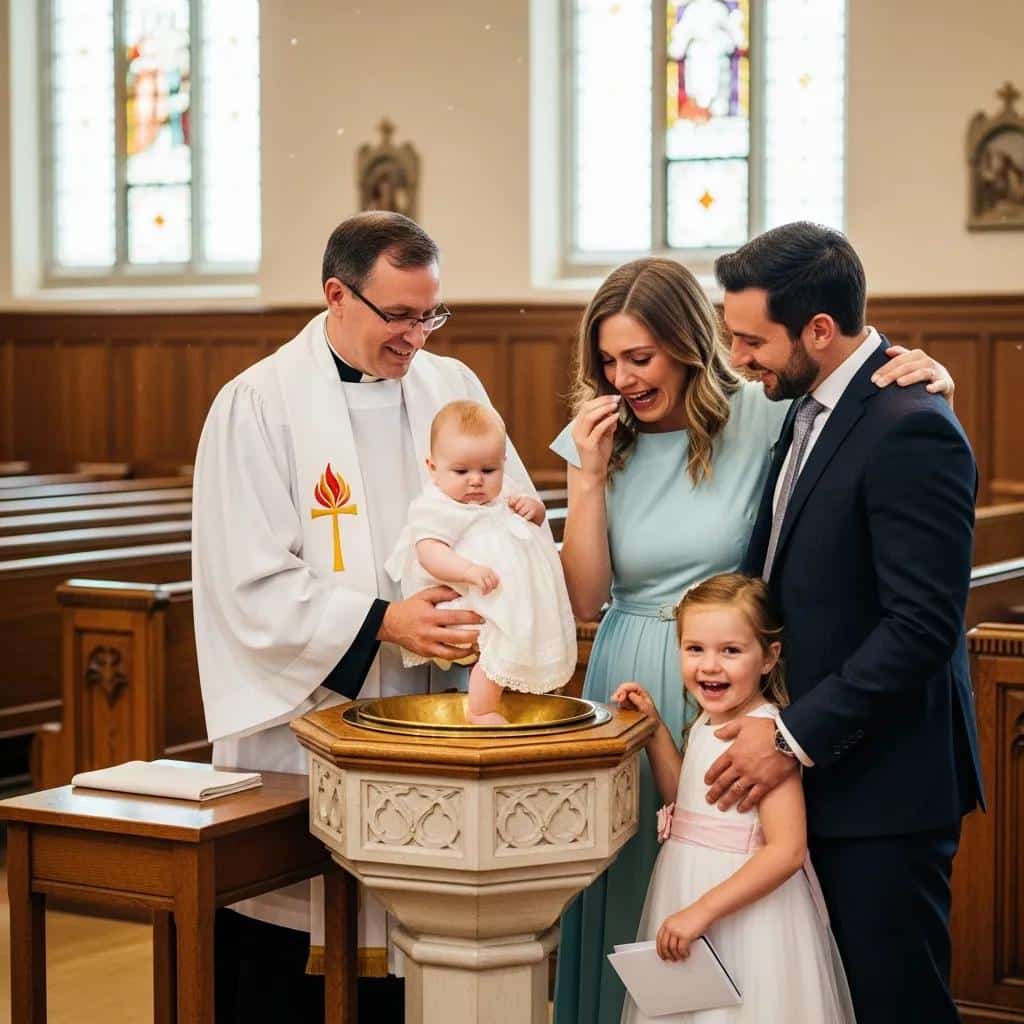
Methodists recognize two primary sacraments: Baptism and Holy Communion. Baptism signifies initiation into the Christian faith, symbolizing the believer’s commitment to follow Christ. It is typically performed on infants or new believers, emphasizing God‘s grace in the process of salvation. Holy Communion, also known as the Lord’s Supper, represents Christ’s sacrifice and serves as a means of grace for participants. Through this sacrament, Methodists remember Jesus‘ Last Supper and affirm their connection to the broader Christian community.

What Are the Fundamental Teachings of the Catholic Church?

The Catholic Church‘s fundamental teachings are rooted in the authority of the Pope, the significance of the sacraments, and the role of tradition in faith. Catholics believe that the Pope, as the successor of Saint Peter, serves as the spiritual leader and authority on matters of faith and morals. The sacraments, which include Baptism, Eucharist, Confirmation, and others, are seen as essential means of grace that facilitate a believer’s relationship with God. Additionally, Catholic doctrine emphasizes the importance of tradition, viewing it as a complementary source of divine revelation alongside Scripture.

How Does Catholic Doctrine Define the Seven Sacraments?
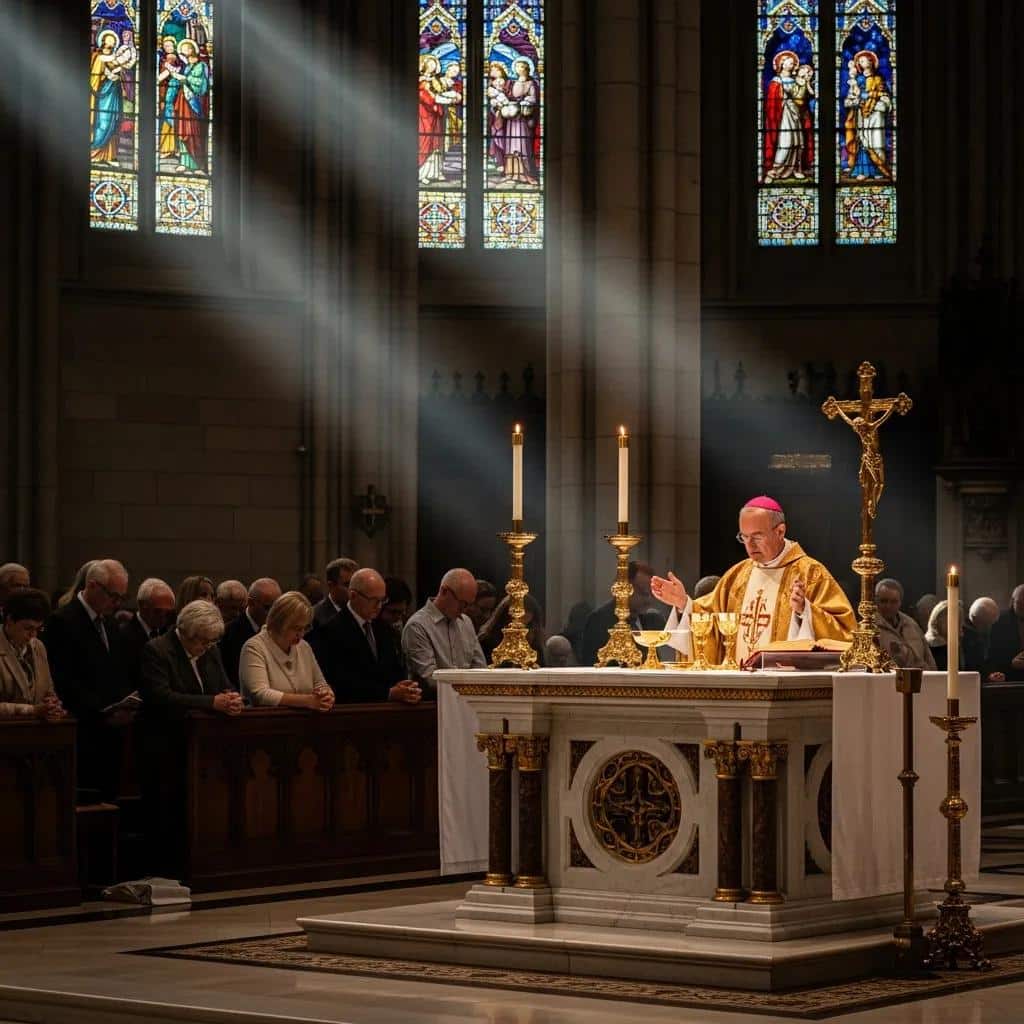
Catholic doctrine defines seven sacraments as vital channels of grace, each serving a specific purpose in the life of a believer. These sacraments include:
  1. Baptism: Initiates individuals into the Christian faith, cleansing them from original sin.
  2. Eucharist: The central act of Catholic worship, representing the body and blood of Christ.
  3. Confirmation: Strengthens the grace received at Baptism, affirming one’s commitment to the faith.
  4. Reconciliation: Offers forgiveness of sins through confession and penance.
  5. Anointing of the Sick: Provides spiritual and physical healing for those who are ill.
  6. Holy Orders: Confers the sacrament of priesthood, enabling individuals to serve the Church.
  7. Matrimony: Sanctifies the union between a man and a woman, reflecting Christ’s love for the Church.
These sacraments are integral to Catholic worship and spiritual life, each contributing to the believer’s journey of faith.
This comprehensive understanding of the sacraments is central to Catholic life and doctrine, as further elaborated by theological sources.

Catholic Doctrine on Seven Sacraments Catholic teaching on the seven sacraments that the Catholic Church holds to be instituted by Christ forms the backbone of ordinary Catholic life. According to Catholic doctrine, this intention unites the faithful to Christ. The Seven Sacraments of the Catholic Church, 2023

What Role Does Church Tradition Play in Catholic Belief?

Church tradition plays a crucial role in Catholic belief, serving as a source of authority alongside Scripture. Tradition encompasses the teachings, practices, and interpretations that have been passed down through generations. Catholics believe that this living tradition, guided by the Holy Spirit, helps to interpret and apply the teachings of the Bible in contemporary contexts. The connection between tradition and Scripture is emphasized in Catholic doctrine, highlighting the importance of both in understanding the fullness of the Christian faith.

How Do Methodist and Catholic Worship Styles and Sacraments Compare?

Methodist and Catholic worship styles exhibit both similarities and differences, reflecting their unique theological emphases. Both traditions incorporate communal worship, prayer, and the reading of Scripture, fostering a sense of community among believers. However, there are notable differences in the number of sacraments recognized and the theological emphasis placed on each. Methodists celebrate two sacraments, while Catholics recognize seven, with a greater emphasis on the sacramental nature of worship. Additionally, worship styles may vary, with Methodists often favoring contemporary music and informal settings, while Catholic worship tends to be more liturgical and structured.

What Are the Differences in Eucharistic Understanding Between the Two Traditions?

The understanding of the Eucharist, or Holy Communion, differs significantly between Methodists and Catholics. Methodists practice open communion, inviting all believers to partake, regardless of denominational affiliation. This reflects their belief in the grace of God being available to all. In contrast, Catholics adhere to a closed communion policy, where only baptized Catholics in a state of grace are permitted to receive the Eucharist. This distinction highlights the theological implications of the sacrament, with Catholics viewing it as a literal transformation of bread and wine into the body and blood of Christ, while Methodists see it as a symbolic act of remembrance.

How Do Worship Practices Reflect Theological Distinctions?

Worship practices in both traditions reflect their theological distinctions, shaping the way believers engage with their faith. Methodists often emphasize personal experience and emotional connection in worship, utilizing contemporary music and informal settings to foster community engagement. In contrast, Catholic worship is characterized by its liturgical structure, incorporating rituals and traditions that have been preserved over centuries. This difference in approach underscores the varying theological emphases on personal piety versus communal tradition, influencing how each tradition expresses its faith in worship.

How Does StarStone Fellowship Support Spiritual Growth Across Methodist and Catholic Traditions?

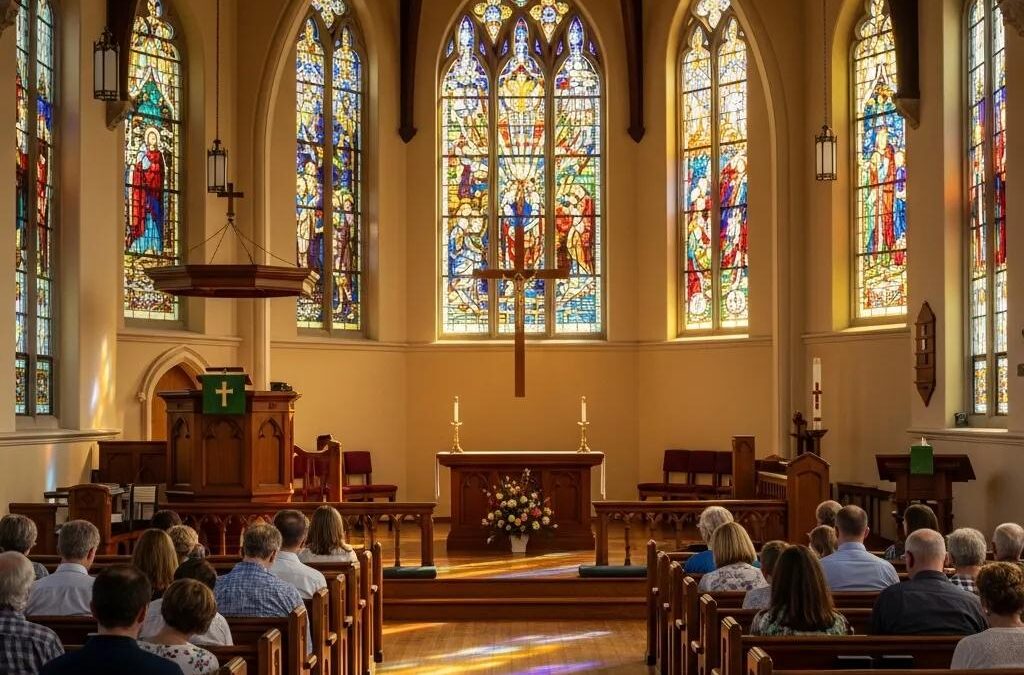
StarStone Fellowship is dedicated to fostering spiritual growth across various Christian traditions, including both Methodist and Catholic beliefs. The church offers weekly worship services that emphasize inclusivity and community engagement, welcoming individuals from diverse backgrounds. Additionally, StarStone Fellowship provides Bible study opportunities that encourage participants to explore their faith in a supportive environment. These initiatives aim to bridge gaps between different Christian traditions, promoting understanding and collaboration among believers.
Such efforts align with broader ecumenical movements that seek to bridge theological divides and foster mutual understanding between Catholic and Methodist communities.

Catholic-Methodist Dialogue on Differences differences between Catholics and Methodists, significant emphasis aside, Catholic and Methodist episcope is directed and expressed through the Catholic-Methodist ecumenical dialogues. Catholic-Methodist Dialogue: Convergent Understandings of the Ministry of Oversight, 2012

What Ministry and Bible Study Opportunities Foster Ecumenical Engagement?

StarStone Fellowship offers several ministry and Bible study opportunities designed to foster ecumenical engagement among its members. These include:
  1. Small Group Gatherings: Band groups provide intimate settings for discussion and fellowship, allowing participants to share their faith journeys.
  2. Community Service Projects: Collaborative efforts to serve the local community encourage members to work together, regardless of denominational differences.
  3. Interfaith Dialogues: Events that promote conversations between different Christian traditions help build understanding and respect.
These initiatives reflect StarStone Fellowship’s commitment to nurturing a spirit of unity and collaboration among diverse Christian communities.
Such efforts align with broader ecumenical movements that seek to bridge theological divides and foster mutual understanding between Catholic and Methodist communities.

How Does Inclusive Fellowship Encourage Shared Christian Beliefs?

Inclusive fellowship plays a vital role in encouraging shared Christian beliefs among members of StarStone Fellowship. By creating a welcoming environment for all individuals, regardless of their denominational background, the church fosters a sense of belonging and community. This focus on grace and acceptance allows members to explore their faith together, emphasizing common values and beliefs that unite them as Christians. Through shared worship, service, and study, StarStone Fellowship promotes a deeper understanding of the Christian faith, encouraging individuals to grow in their spiritual journeys together.

Kurt Stroman is a retired music educator and church musician who continues to teach part-time and stay active in the world of music. He and his wife, Tina, a longtime Spanish teacher, have three adult children and share their home with two dogs, Murphy and Owen.

Kurt enjoys running, fishing, traveling, and classic cars. At StarStone Fellowship, he helps lead outreach efforts, supporting communication, missions, and events. He is grateful to be part of a community committed to growing in faith together.
Kurt Stroman